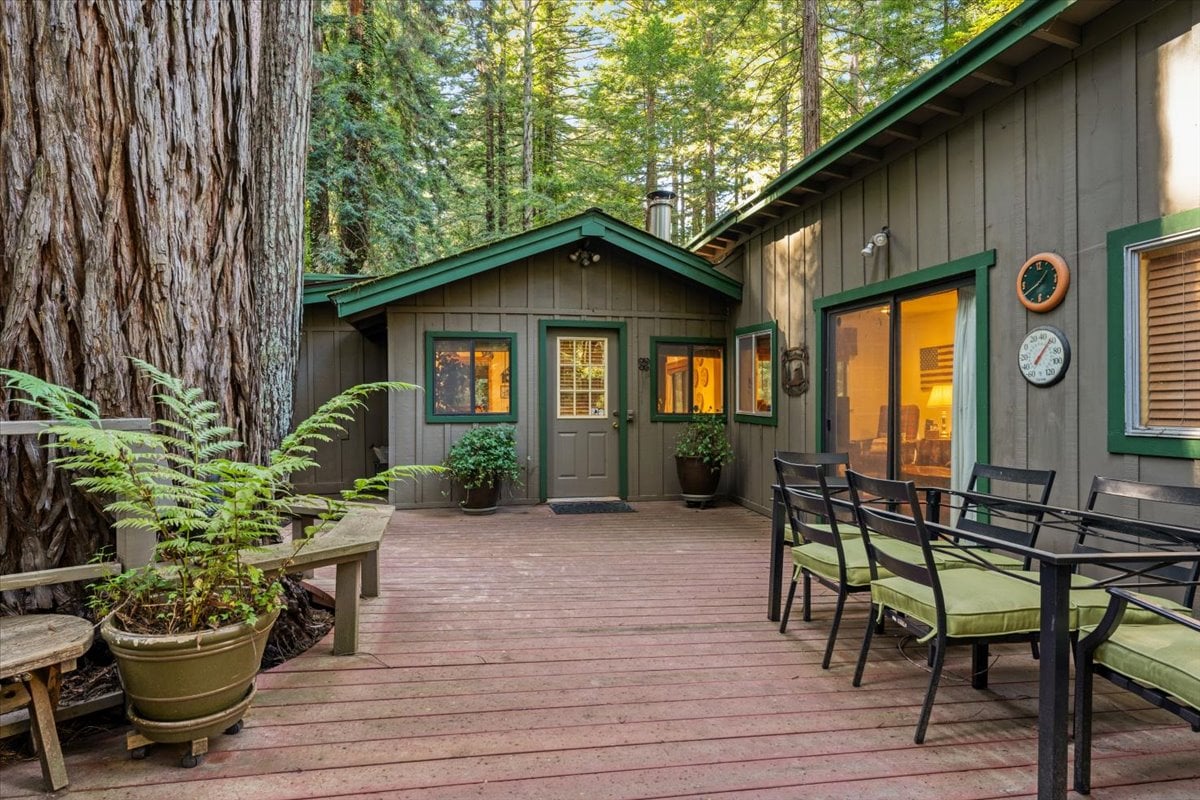
Many Santa Cruz homeowners reach a difficult point when it's time to sell: should you spend money fixing up the house, or list it as-is and let buyers decide what they're willing to take on?
There is no one-size-fits-all answer. The right choice depends on your home's condition, budget, timeline, and how much hassle you're willing to take on. Some sellers benefit from targeted improvements, while others come out ahead by skipping repairs and pricing the home accordingly.
Start With the Biggest Question
First, determine whether your home's problems are cosmetic or structural.
Cosmetic issues—scuffed paint, dated fixtures, worn carpet, or overgrown landscaping—are often worth addressing. These fixes are relatively affordable and can improve a home's first impression.
Structural and system-level problems are different. Roof damage, foundation movement, drainage issues, termites, outdated electrical systems, and unpermitted additions can become expensive and complicated to fix. Buyers will likely discover these issues during inspection regardless of how polished the home looks.
One of the most common seller mistakes is treating every home like it needs a full renovation. If deeper problems exist, spending heavily on cosmetic improvements may not meaningfully change the outcome. Understanding what you're actually dealing with should come before deciding where to spend money.
What Usually Pays Off
Smaller improvements generally make more financial sense than major renovations before a sale. Major kitchen and bathroom remodels often don't return their full cost, making it easy to spend more than you ultimately recover.
Instead, focus on improvements that create a strong first impression and reduce buyer hesitation. Fresh neutral paint, basic landscaping, a clean and welcoming entry, good lighting, and thoughtful staging can make a noticeable difference without requiring a major investment.
Staging can also be useful, particularly if the home is vacant. Furnished rooms help buyers understand the scale and potential of the space and can make the property feel more inviting.
Before making any improvement, consider whether buyers in your price range are likely to value it. Local market knowledge can help you avoid spending money on updates that won't meaningfully affect your sale.
What Santa Cruz Buyers Notice
Santa Cruz buyers are often particularly attentive to condition because of the age and variety of the area's housing stock. Moisture, roof condition, drainage, hillside stability, termites, older electrical systems, plumbing, and permit history can all become important during inspections.
Coastal and hillside properties may receive extra scrutiny for water intrusion, grading, retaining walls, and drainage. Older homes can also have systems such as knob-and-tube wiring or galvanized plumbing that buyers will factor into their offers.
The key is knowing which problems are worth fixing and which are better handled through honest pricing and disclosure.
When Selling As-Is Makes Sense
Selling as-is isn't necessarily a last resort. For many homeowners, it's simply the more practical option.
It can make particular sense with inherited properties, homes with years of deferred maintenance, or houses requiring extensive repairs. Renovations require upfront cash, contractor coordination, time, and oversight—and those challenges become even greater for owners who live outside the area.
Sellers dealing with relocation, divorce, financial pressure, or a tight timeline may also benefit from avoiding a lengthy renovation. Mortgage payments, taxes, insurance, utilities, and other carrying costs can quickly reduce whatever additional sale price a renovation might produce.
The advantage of selling as-is is simplicity. You avoid renovation risk, contractor delays, and the stress of managing a major project while preparing for a move. Accepting a lower offer in exchange for speed and certainty can be a reasonable financial decision depending on your circumstances.
The Bottom Line
Fixing up your home before listing generally makes the most sense when the property is fundamentally sound and the remaining problems are mostly cosmetic. Targeted improvements can improve presentation and attract more buyers without requiring a major investment.
Selling as-is may make more sense when repairs are extensive, your timeline is short, or the property has significant deferred maintenance, permit issues, or other complications. Trying to renovate your way out of major problems can cost more in time, money, and stress than it adds to the final sale price.
Santa Cruz buyers will pay attention to both how a home looks and what an inspection reveals. A polished house with unresolved underlying problems can create more friction than a home that's priced honestly from the beginning.
Ultimately, the smartest strategy is the one that fits your budget, timeline, goals, and tolerance for stress. Get clear on those factors before spending money on repairs, and you'll be in a much stronger position to decide how to sell.
Thinking About Selling?
Contact us for a confidential, no-obligation conversation about selling your Santa Cruz County home.
Check out this article next